About the Tiny Forest Initiative
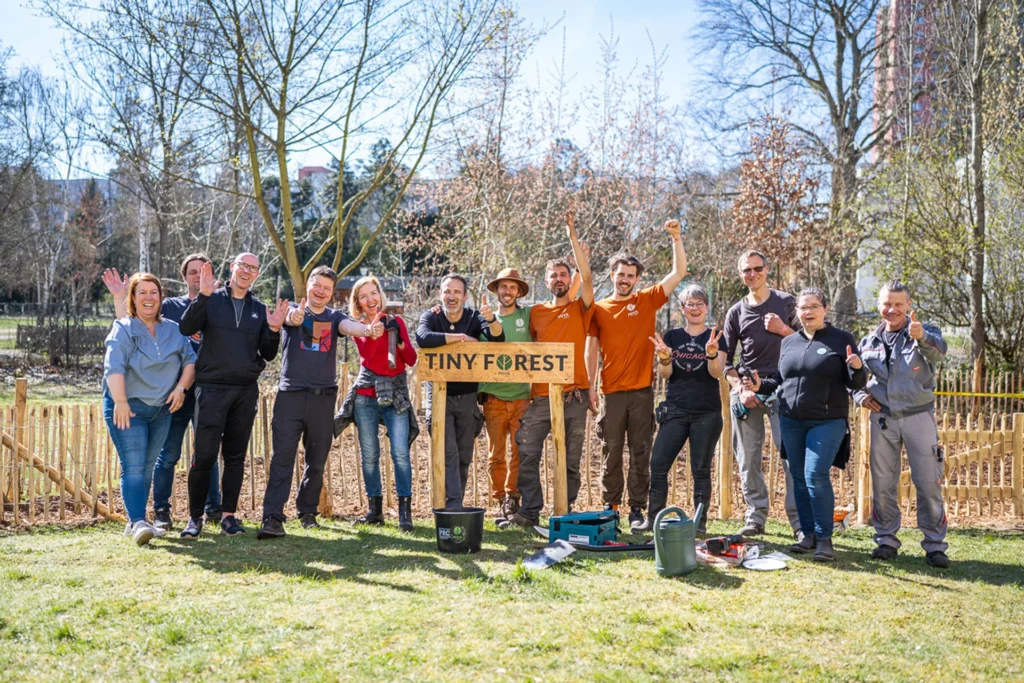
The STIHL Tiny Forest Initiative creates new habitats, supports urban biodiversity, and brings more nature into densely built areas. Through the initiative, STIHL aims to raise awareness of the importance of biodiversity and contribute to greener, more livable communities for generations to come.
Ecological goals
The ecological goals behind every Tiny Forest are diverse. These are goals with which STIHL wholeheartedly identifies: strengthening biodiversity, creating more space for nature in urban areas, and contributing to environmental protection and the fight against climate change. No two Tiny Forests are alike—nor are they meant to be. What unites them all, however, is the goal of achieving maximum biodiversity in a minimal space—an active effort to strengthen the local environment.
Social and educational goals
Improving the quality of urban life is a central goal of the Tiny Forest Initiative. Children and young people in particular will benefit from these Tiny Forests. Designed as “green classrooms” for environmental education, they also enable children to experience nature in their own neighborhoods. Children who witness first-hand how a forest is planted and how it grows will carry this knowledge with them for the rest of their lives.
Rooted in nature
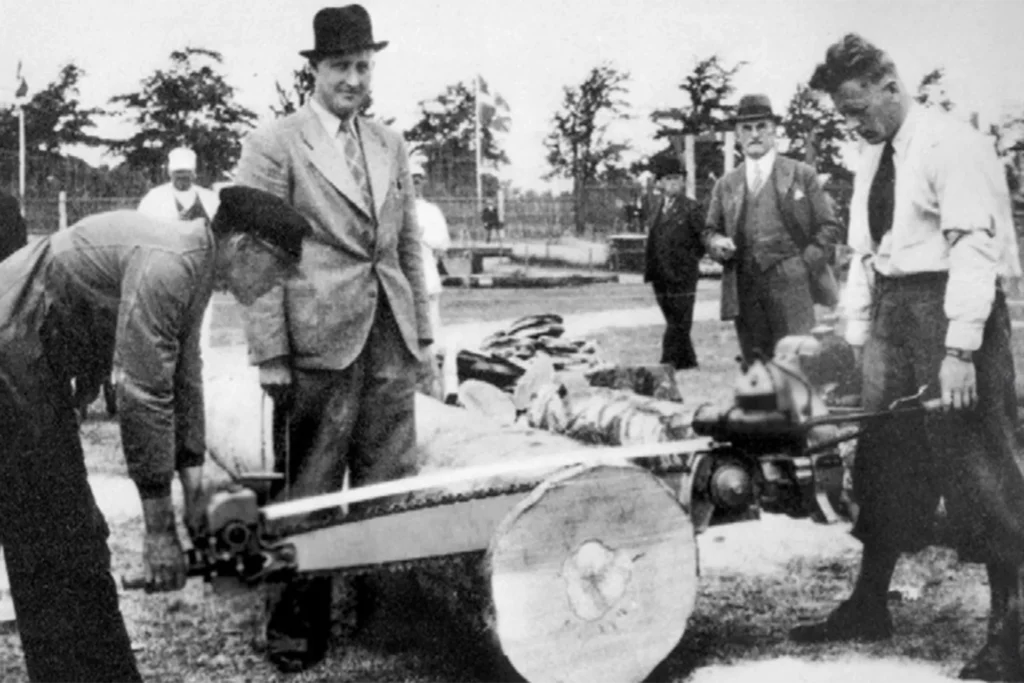
The STIHL Tiny Forest Initiative sends a clear message: as a company that has been closely connected to forest environments for over 100 years, STIHL is facing up to its responsibility towards nature. Through regional engagement, the initiative is helping address the challenge of dwindling biodiversity in urban areas.