What is a Tiny Forest?
A Tiny Forest is a small, densely planted urban forest made up primarily of native trees and shrubs. Although it may cover only a few hundred square meters, it is designed to develop into a diverse, functioning ecosystem.
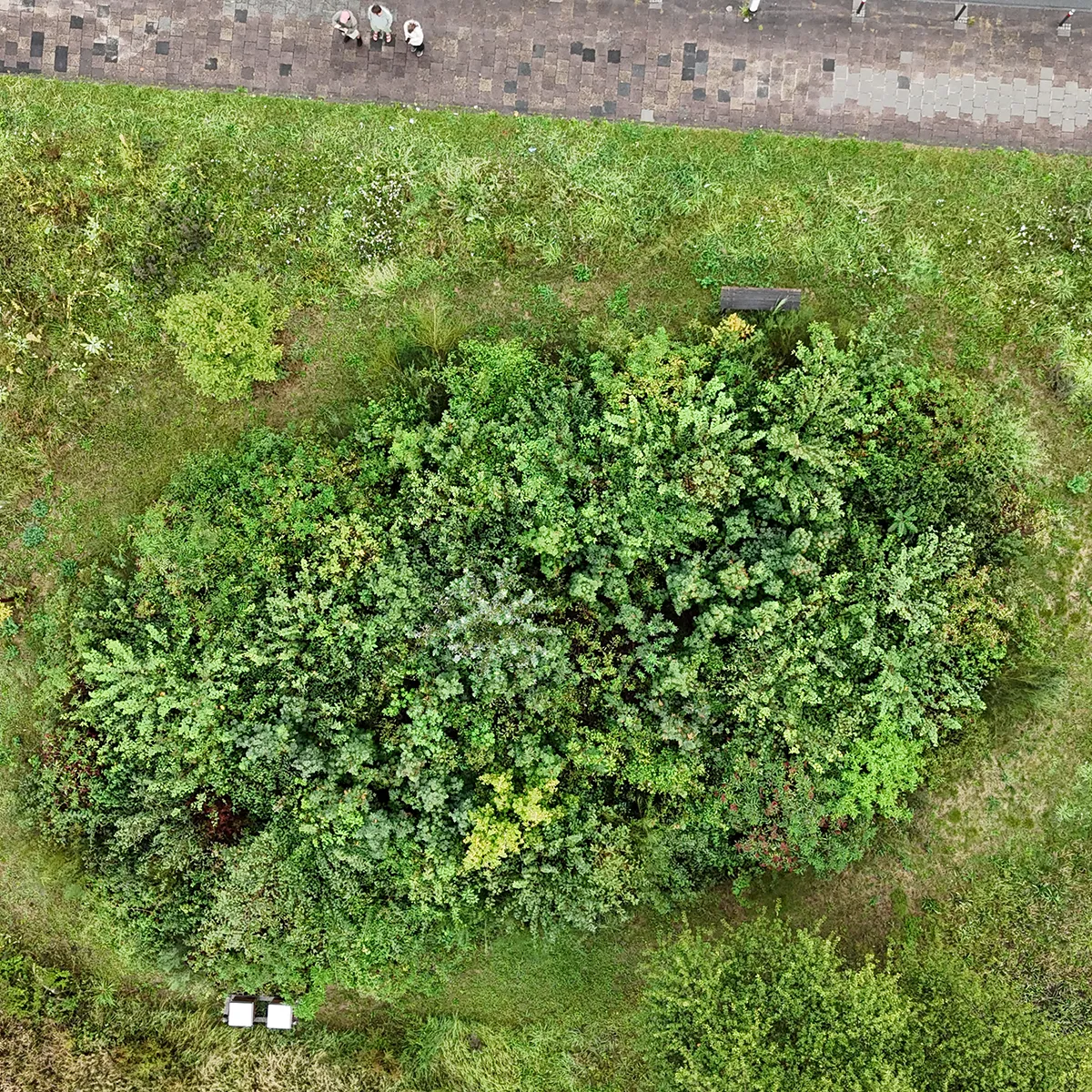
What sets a Tiny Forest apart is its extraordinary density. Whereas conventional planting may only space young trees every few meters, a Tiny Forest houses three to five seedlings per square meter, drawn from 30 to 40 native species. This creates intense competition for light, so that the young trees grow markedly faster than they would in open planting and typically close their canopy within three to five years.
A self-sustaining cycle
Once the canopy closes, the Tiny Forest becomes a self-regulating system. The canopy shields the ground from intense sunlight and helps retain moisture, while fallen leaves decompose into humus and continuously enrich the soil. In this way a self-sustaining cycle establishes itself in a remarkably short time—one that closely resembles a naturally grown forest in the way it functions.
The result is a living habitat. In a very small area, a Tiny Forest offers food and shelter to insects, birds, and small animals, supporting a wide diversity of plant and animal life. And for people, it becomes a place of relaxation, learning, and slowing down.
The Origins
Botanist and plant ecologist Prof. Dr. Akira Miyawaki developed the concept of the Tiny Forest in Japan in the 1970s. He wanted to restore the original native vegetation to Japan’s industrialized areas. By observing the gardens of ancient Shinto shrines, Miyawaki concluded that healthy forests can only develop if they are established using plant species that occur naturally in the region or are adapted to the climatic conditions. He developed a reforestation method based on this. Miyawaki personally supervised more than 1,700 forest restoration projects. The concept was further developed and optimized for urban areas by Indian engineer Shubhendu Sharma. Today, the method is used worldwide.
Why Tiny Forests are important
Heat waves, droughts, heavy rains, and declining biodiversity affect us all. These issues hit urban areas particularly hard. A lack of green spaces means cities heat up significantly during increasingly hot summers and there is a shortage of water sources as well as food and habitat for animals. This is where the Tiny Forest method comes in.
Benefits for biodiversity
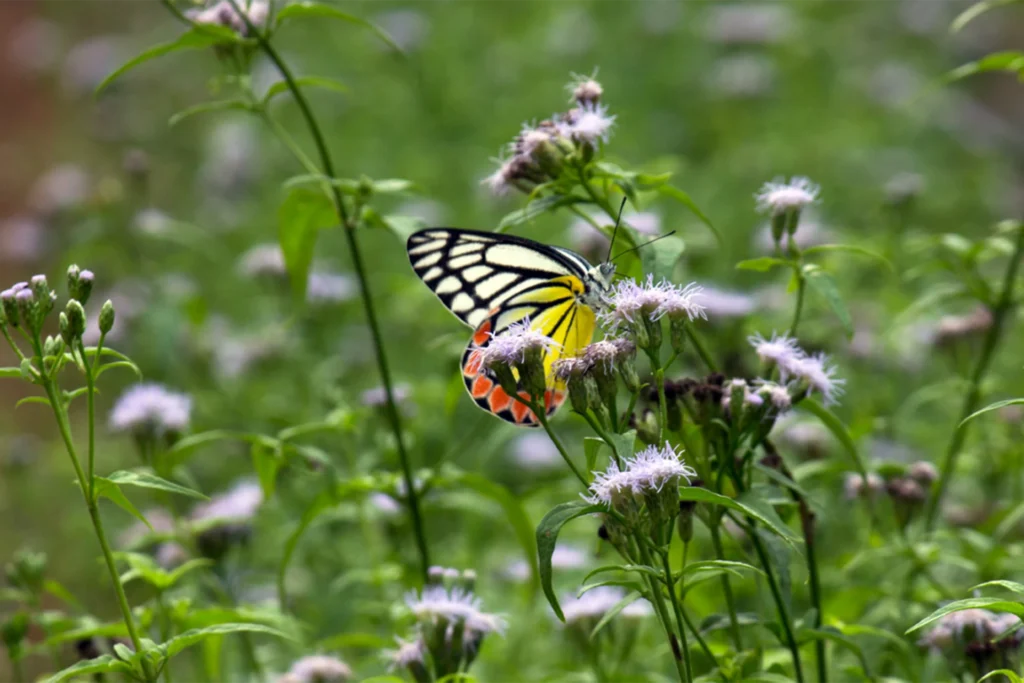
Tiny Forests are designed to promote biodiversity from the very beginning. They also serve as stepping-stone habitats, connecting isolated green spaces such as parks so that insects and other small animals can roam and spread. This is a key foundation for preserving biodiversity.
Benefits for climate
Tiny Forests offer significant protection to local environments in the context of climate change. Transpiration and shade measurably and noticeably cool the surrounding area, which improves both comfort and quality of life, especially in increasingly hot cities. Simultaneously, their deep-rooted trees enhance the soil’s water retention: heavy rainfall is absorbed, and the risk of flooding reduced. The forests also help trap fine particulate matter, which reduces noise pollution from traffic and other sources.
Benefits for the community
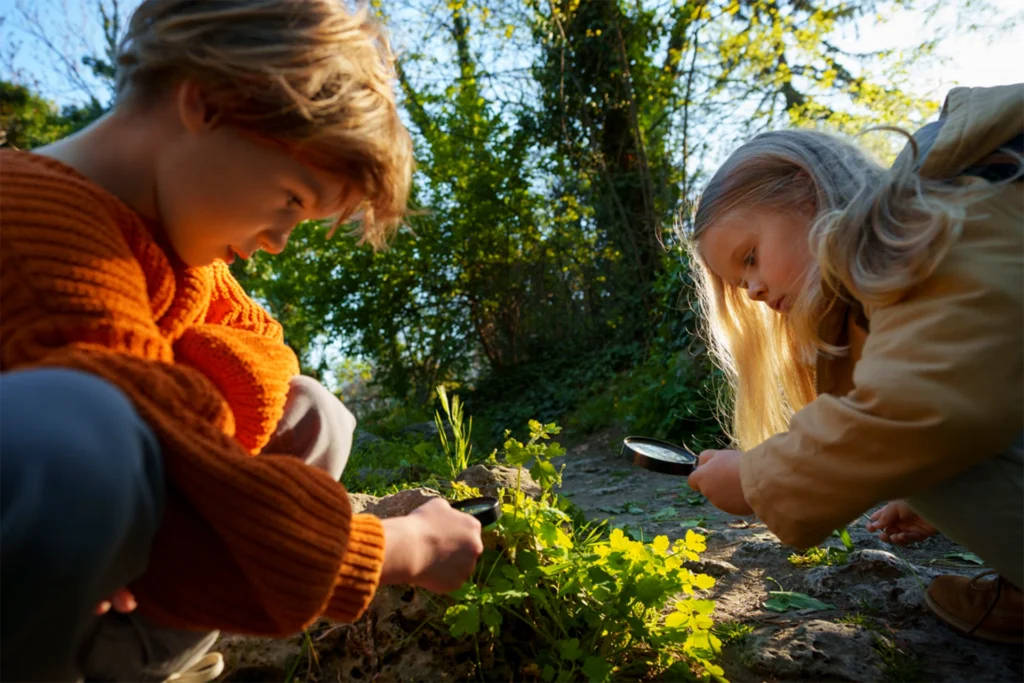
Numerous studies show that being close to nature has a positive effect on people. Stress is reduced, mental health improves, and overall well-being increases. Tiny Forests serve as places for relaxation, learning, and social connection.