From Grey to Green: STIHL Plants Tiny Forest in Stuttgart
Project marks the launch of the global STIHL Tiny Forest Initiative
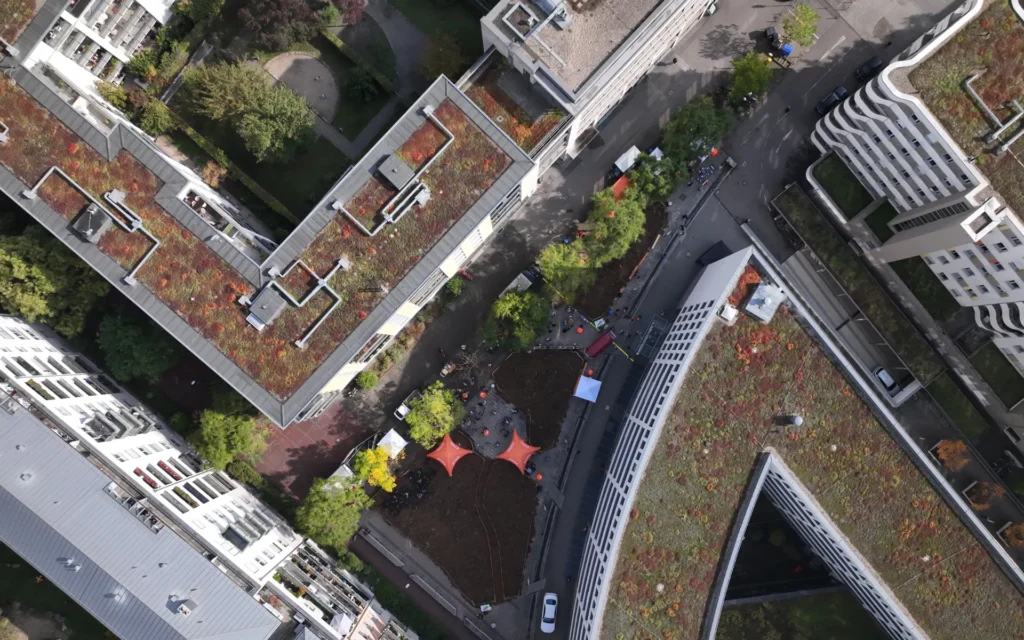
To mark its 100th anniversary, STIHL celebrated the planting of a Tiny Forest on October 19th. The project is located in Stuttgart, where the company was founded. Across three planting areas covering a total of approximately 530 square meters in the north of the city, students from the nearby Rosensteinschule planted around 1,600 native trees and shrubs. The densely planted miniature forest is being created on a previously largely sealed site and marks the launch of the global STIHL Tiny Forest Initiative. Further projects are planned in the United States and Brazil in 2027.
“The Tiny Forest shows how new habitats can be created on land that was once sealed. By planting it here in Stuttgart, where our company has its roots, we are making a clear commitment to greater biodiversity and a better quality of life in urban areas,” says Dr Nikolas Stihl, Chairman of the Advisory Board and Supervisory Board of STIHL. “From here, we want to grow the initiative worldwide and support our international subsidiaries in developing projects of their own.”
Dr. Frank Nopper, Mayor of Stuttgart, welcomes both the new miniature forest and the sense of community fostered by the anniversary project: “In the heart of the Nordbahnhof district, this project is creating not only a new green space, but also a place where people can meet and learn. I am particularly pleased that children and young people from the neighborhood planted the trees themselves and will continue to follow the forest’s development. This will give the project lasting roots in the local community.”
Rosensteinschule to Follow the Forest’s Development
Students from different year groups at Rosensteinschule planted the saplings over the course of several planting days. The forest was planted using the established Miyawaki method, in which native tree and shrub species suited to the local conditions are planted close together. The high planting density encourages natural competition between the plants and allows the forest to grow comparatively quickly. Rosensteinschule will continue to incorporate the Tiny Forest into lessons and follow its development. Regular maintenance is planned for the first four years, including removing weeds, replacing plants where necessary and watering the young trees during prolonged periods of heat and drought. The aim is for the site to gradually develop into a largely self-sustaining ecosystem.
VfB Stuttgart Stadium Turf Becomes Nutrient-Rich Soil
Since work began in July, concrete slabs have been removed from the site between Nordbahnhofstrasse and Rosensteinstrasse, behind the local Employment Agency, and the ground has been prepared for planting. Loosened subsoil and a mixture of topsoil, biochar, sand and Terra Preta provide favorable growing conditions. Rich in nutrients, Terra Preta releases them gradually to the plants over an extended period. VfB Stuttgart contributed more than 40 cubic meters of its specially produced “VfB soil” to the project. The soil was made using turf removed from the stadium after the 2024/2025 season. “We are delighted that our VfB soil can make a small contribution to this project,” says Alexander Wehrle of VfB Stuttgart. “With this initiative, STIHL has developed an innovative way of bringing more greenery into our city. It is particularly fitting that our former stadium turf is now becoming part of a new ecological cycle. The project shows how resources can be put to good use and how working together can make Stuttgart greener and enhance quality of life in the city.” A layer of wood chips spread across the surface helps retain moisture in the soil, protects it from drying out and slows the growth of weeds.
A Joint Effort
STIHL is implementing the project together with the City of Stuttgart’s Parks, Cemeteries and Forestry Department. The Stuttgart Climate Innovation Fund provides approximately 42,000 in funding, while The Tiny Group is serving as the project’s planting partner. “We received a great deal of positive feedback from the local community even while the site was being prepared,” says Frank Geggus, Managing Director of The Tiny Group. “The priority now is to look after the young plants carefully during their first few years so that the miniature forest can thrive.”
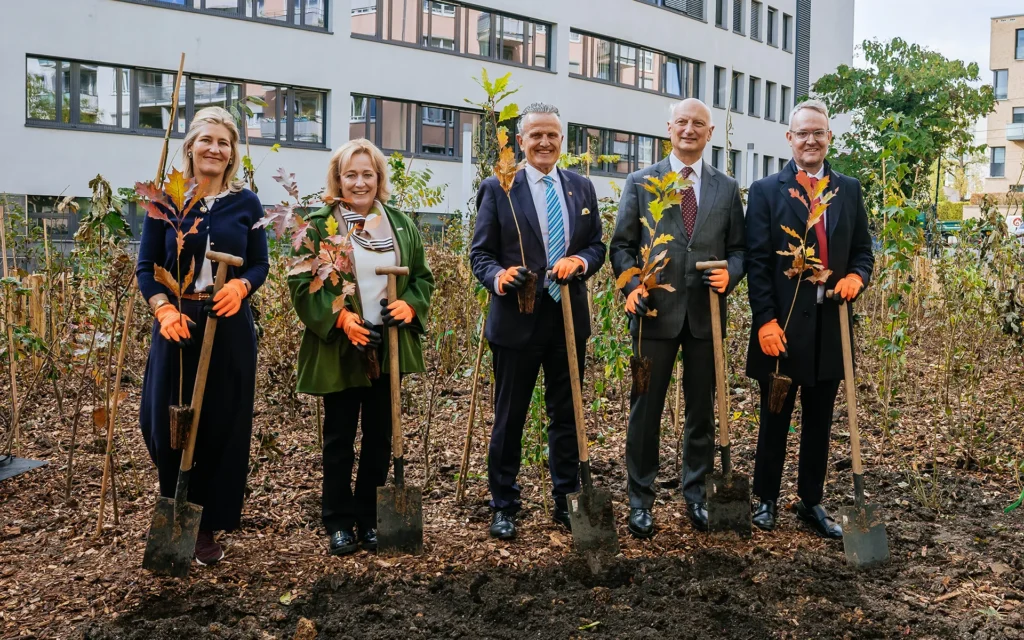
Alongside the project partners, local residents and employees of the neighboring Employment Agency and Job Centre took part in the symbolic planting event on 19 October. A central area with seating will provide a place for people to spend time and enjoy the site. An interactive information point explains the project and how Tiny Forests works.
Expert Support for the Global Initiative
The STIHL Tiny Forest Initiative is receiving scientific support from Dr. Rita de Sousa e Silva, an expert in urban ecology at Leiden University in the Netherlands. Practical expertise is being provided by the non-profit organization Miya forest e.V., which has already planted more than 40 Tiny Forests across Germany.
Further information about the Stuttgart project and STIHL’s global initiative is available on www.tinyforests.stihl.com.